
Skin Check for Early Detection
The Health Impacts of UV Exposure and Tanning in Australia
Australia experiences some of the highest levels of ultraviolet (UV) radiation in the world. While a suntan is often culturally associated with health and vitality, medically it represents a biological response to skin injury. Increased skin pigmentation following sun exposure is a visible sign of damage caused by UV radiation — not an indicator of wellbeing. There is no such thing as a safe tan.
Understanding How Tanning Occurs
When the skin is exposed to UV radiation from the sun or artificial sources such as solariums, specialised cells produce additional melanin. Melanin is the pigment responsible for skin colour, and its increased production causes the skin to darken. This process occurs as the body attempts to limit further UV penetration. However, the presence of a tan confirms that cellular damage has already taken place.
Contrary to common belief, a tan offers minimal protection against future UV exposure — roughly equivalent to SPF 3, depending on skin type. It does not prevent ongoing DNA damage, nor does it significantly reduce the risk of developing skin cancer.
The Broader Health Risks
Cumulative exposure to UV radiation significantly increases the risk of skin cancer, including melanoma and non-melanoma skin cancers. Australia has one of the highest rates of skin cancer globally, with two in three Australians diagnosed during their lifetime. Each year, more than 2,000 Australians die from skin cancer.
In addition to cancer risk, UV exposure is responsible for approximately 80% of visible facial ageing, including wrinkles, fine lines and pigmentation changes.
Artificial Tanning and Cosmetic Products
Artificial tanning methods that involve UV exposure, such as solariums, also cause skin damage and increase cancer risk.
Cosmetic tanning products — including lotions, mousses and spray tans — temporarily darken the outer layer of the skin without stimulating melanin production. While these products may provide the appearance of a tan, they do not offer protection from UV radiation. Some products contain low-level sunscreen (SPF 4–15), but this protection is limited, short-lived and insufficient as a primary sun protection strategy.
Products marketed as “tan accelerators”, available in topical, oral or injectable forms, claim to stimulate melanin production. However, long-term use has been associated with increased health risks, and oral products may cause side effects such as nausea, headaches and skin irritation.
Evidence-Based Sun Protection
Effective sun protection requires a comprehensive approach, particularly when UV levels reach 3 or above — a frequent occurrence across much of Australia throughout the year. Recommended protective measures include:
Wearing sun-protective clothing that covers as much skin as possible
Applying SPF50+ broad-spectrum, water-resistant sunscreen 20 minutes before outdoor exposure
Reapplying sunscreen every two hours, or more frequently after swimming or excessive perspiration
Wearing a broad-brimmed, bucket or legionnaire-style hat
Using sunglasses that comply with Australian/New Zealand Standard AS/NZS 1067
Seeking shade whenever possible
Sunscreen should be used in combination with these protective strategies rather than as a standalone measure.
A suntan should not be interpreted as a sign of health. Instead, it reflects the skin’s response to UV-induced injury. Given Australia’s high UV environment and significant burden of skin cancer, consistent and comprehensive sun protection is essential.
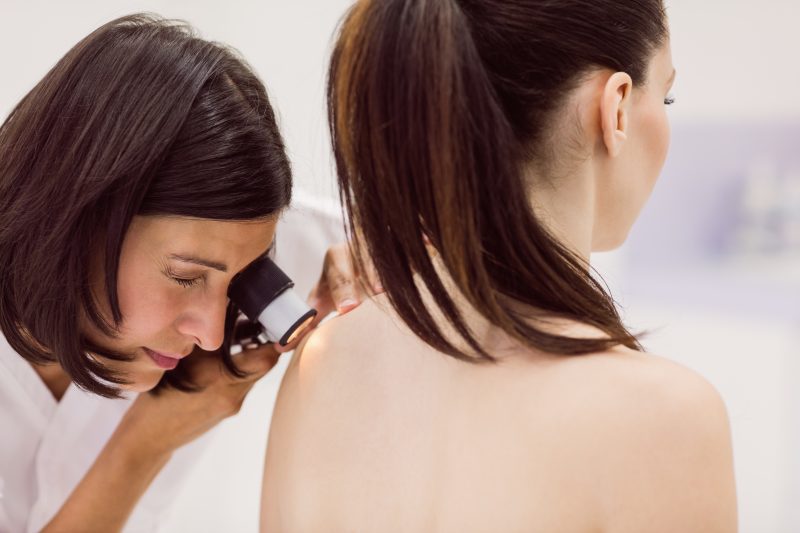
If you have concerns about your skin or would like a professional skin check, you can book an appointment online at www.epichealth.com.au. Early detection is key — schedule your skin check today with us.